Concrete Repair in Wichita Falls, TX
Not every cracked or sunken slab needs to come out. Some repairs are a quick fix that buys you years; others are a sign that the slab underneath has lost its support and patching over it is money down the drain. The honest answer is: it depends on what is causing the damage.
We handle cracked sections, sunken slabs, surface patching, and interior slab patches. Before we quote a repair, we talk through what is actually going on underneath — because the right fix is the one that lasts, not the one that looks good for a season and fails the next. We would rather tell you a patch will hold than sell you a patch that will not.
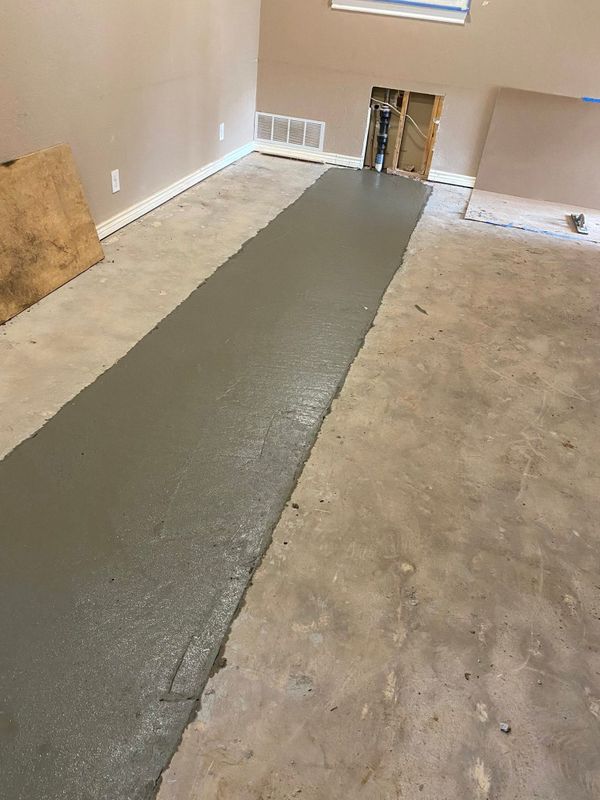
What the Job Involves, Step by Step
Look at the cause, not just the crack
A crack is a symptom. We figure out whether it is shrinkage, settlement, a base problem, or something loading the slab wrong. The repair only lasts if it addresses what caused the crack in the first place.
Make the repair-or-replace call
We tell you plainly whether a patch will hold or whether replacing the section is the better money. A patch over a slab that has lost its support is a band-aid, and we will say so before we take your money.
Prep the area
For a repair that lasts, we clean out the crack or cut out the damaged section down to solid concrete so the new material bonds to something sound instead of crumbling edges.
Match the existing finish
On a visible slab we match the broom or trowel finish of the surrounding concrete so the repair does not jump out at you. It will not be invisible — new concrete never matches old exactly — but it blends.
Cure and protect
We give the repair time to cure and protect it while it does. A repair that dries out too fast in the Texas heat is a repair that fails early.
Repair or Replace? An Honest Look
We would rather tell you a patch will hold than sell you one that will not. Here is how we think about it:
A Patch Is Enough When…
- •A surface crack with no vertical movement — the slab on both sides is still level.
- •A small spalled or chipped area where the slab underneath is sound.
- •A joint that has opened up or a crack that just needs sealing to keep water out.
- •Cosmetic damage where the structure of the slab is still solid.
Replacing Is the Better Money When…
- •A slab that has settled and is now tilted or out of level — patching over it just hides the problem.
- •Wide cracks with one side higher than the other, which means the soil underneath has moved.
- •A slab that has lost base support and is hollow or rocking underneath.
- •Extensive cracking across most of the panel, where a repair will never blend in and the slab is already failing.
Questions to Ask Any Contractor About This Work
Texas does not issue a state license for concrete contractors, so the best way to vet a pour is to ask sharp questions. Print this list and use it.
What is causing the crack — is it the concrete or what is under it?
Is the slab still supported underneath, or has the base washed out?
Will a patch hold here, or am I patching over a bigger problem?
Can you match the existing finish so the repair blends?
Should I repair now, or is it smarter to plan a replacement?
What happens to the repair if the slab keeps moving?
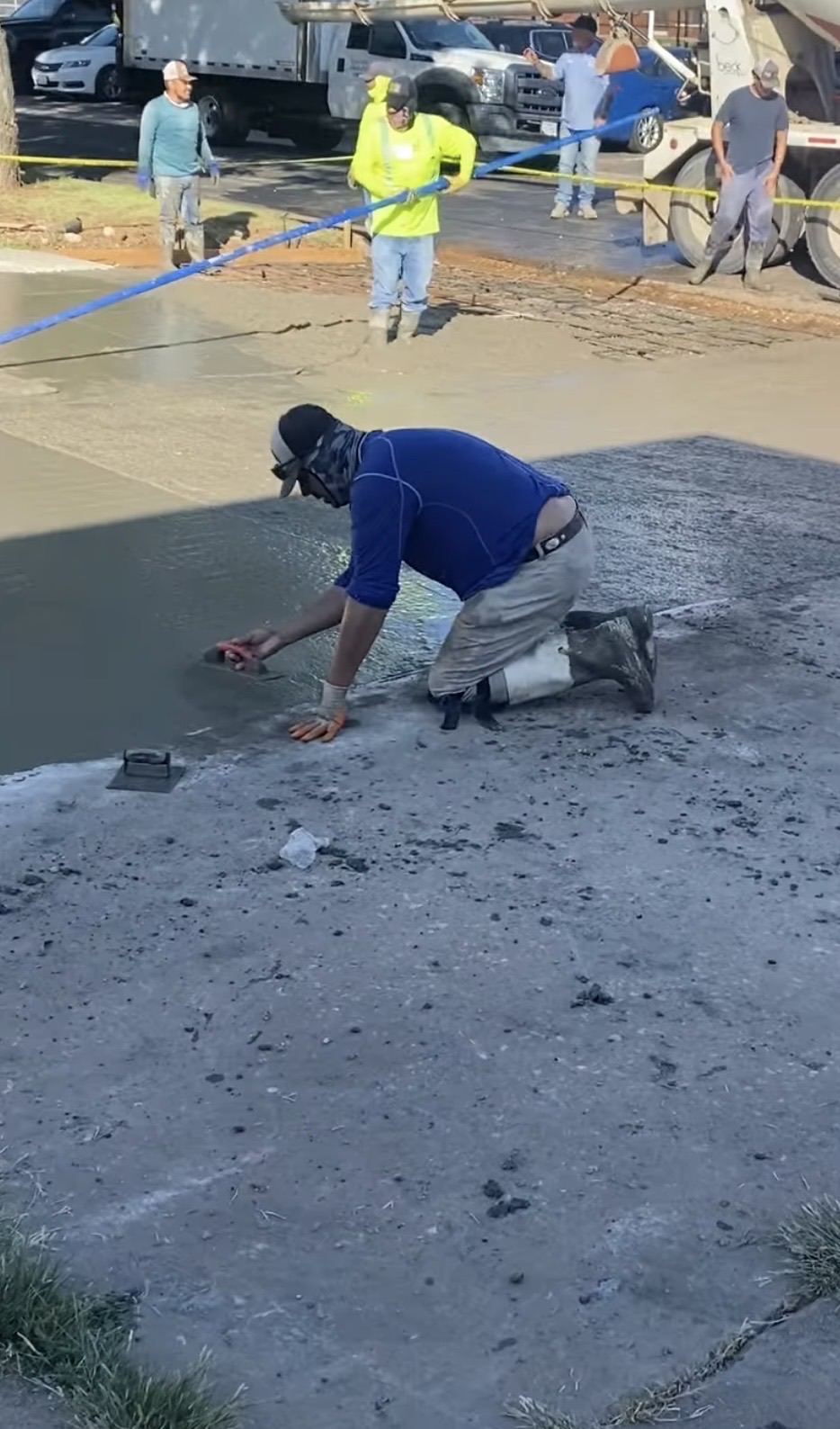
Concrete Repair Gallery
Full Gallery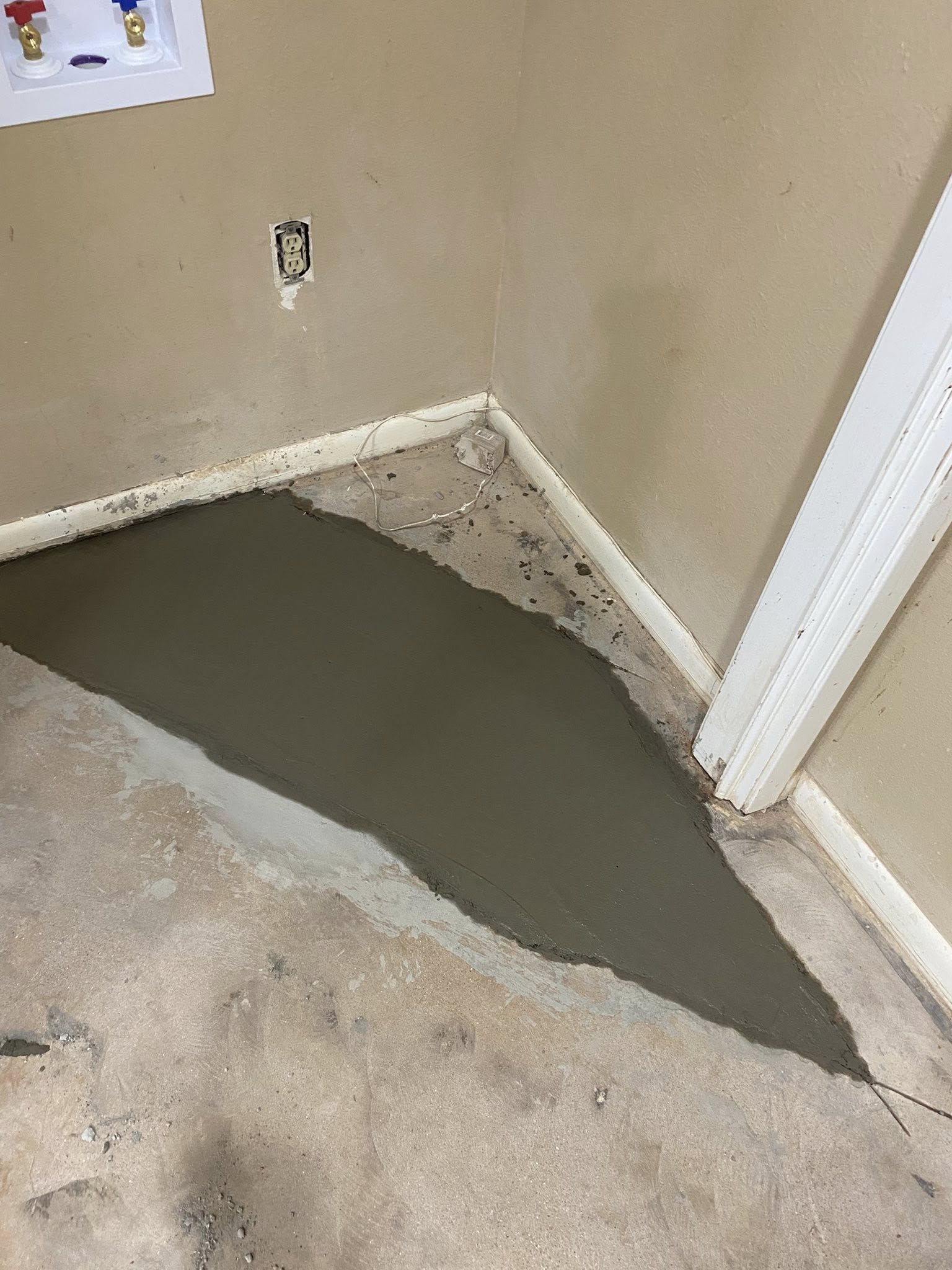
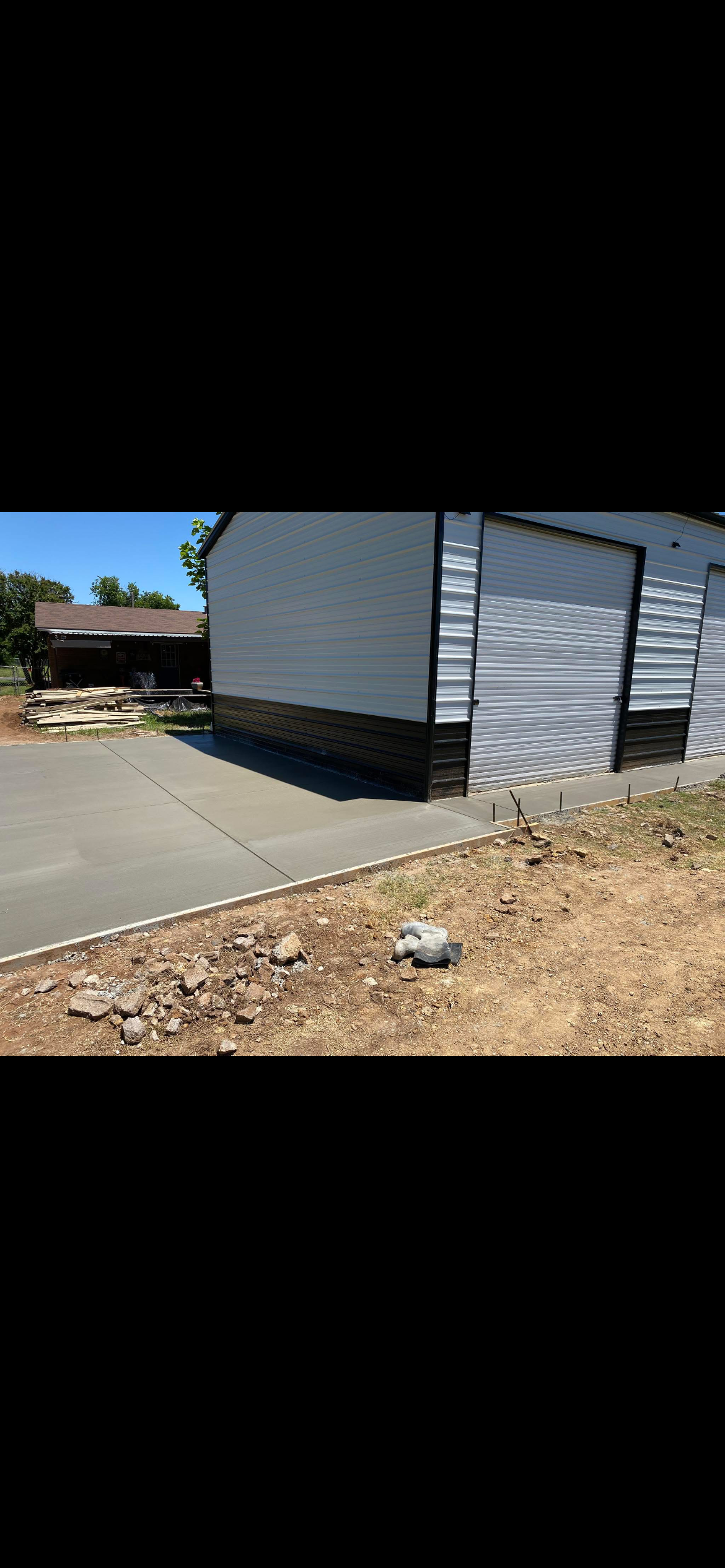
Towns We Serve
Based in Wichita Falls, we pour concrete repair across Wichita County and the surrounding North Texas communities.
Pan and zoom the map to see the Wichita Falls area and the towns we serve across North Texas.
Concrete Repair FAQs
How do I know if a crack is serious?
Look for two things: width and movement. A hairline crack with both sides still level is usually shrinkage and is cosmetic. A crack that is widening, or where one side has dropped below the other, means the slab is moving — and that is a base problem, not a surface problem. We will tell you which one you have.
Can you patch a sunken slab?
Sometimes. If a small section has dropped but the slab is still one solid piece, a patch or a level fix can work. If the slab has settled because the base underneath washed out or compacted, patching over it hides the problem and it will keep moving. We will tell you whether a patch will hold or whether the section needs to come out.
Will the repair match the rest of the concrete?
We match the finish — broom or trowel — so the repair blends. New concrete never matches old concrete exactly because the old slab is weathered and the new is not, but a matched finish is far less obvious than a smooth patch in a broomed driveway.
Is it cheaper to repair or replace?
It depends on the cause. A surface patch on a sound slab is a fraction of a replacement. But if the base has failed, a repair is money spent twice — once on the patch that fails, and again on the replacement you needed in the first place. We will give you a straight answer on which one your slab actually needs.
What causes concrete to crack in North Texas?
Mostly our soil. Clay swells when it is wet and shrinks when it is dry, which puts movement under every slab. Add poor base prep, missing or misplaced control joints, or water getting under the concrete, and you get cracks. The cause is almost always under the slab, not in it.
Do you do interior slab patches?
Yes. We patch interior slabs — garage floors, shop floors, and outbuilding slabs — the same way we do exterior work, by getting down to sound concrete and matching the finish. Tell us where the damage is and we will look at what is causing it.
Other Concrete Services
See how we approach the rest of our work across Wichita Falls and North Texas.
Mon to Fri, 7 AM to 5 PM. Call or text (940) 500-0361.
Get Your Concrete Repair Quote
Tell us about your project. We respond promptly with straightforward scheduling and pricing.
Ready to Talk About Your Concrete Repair?
Call or text Taylor directly. Monday to Friday, 7:00 AM to 5:00 PM.